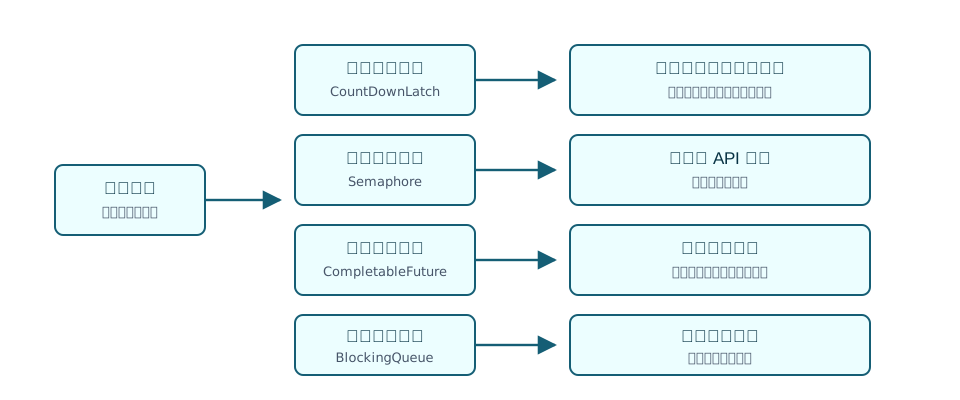
Java 并发工具类解决的是线程之间的协作问题。供应链系统里,很多流程不是简单加锁,而是多个任务并行执行后汇总结果,或者限制同时访问某个下游系统的并发量。常用工具包括 CountDownLatch、Semaphore、CompletableFuture。
工具选择流程
CountDownLatch:等待多个任务完成
采购对账时,需要同时加载三类数据:
三类数据查询互不依赖,可以并行查询,最后汇总差异。
1
2
3
4
5
6
7
8
9
10
11
12
13
14
15
16
17
18
19
20
21
22
23
24
25
26
27
28
29
30
31
32
33
34
| public ReconcileResult reconcile(long supplierId, LocalDate month) throws InterruptedException {
CountDownLatch latch = new CountDownLatch(3);
AtomicReference<List<Receipt>> receiptsRef = new AtomicReference<>();
AtomicReference<List<Invoice>> invoicesRef = new AtomicReference<>();
AtomicReference<List<Payment>> paymentsRef = new AtomicReference<>();
executor.execute(() -> {
try {
receiptsRef.set(receiptService.query(supplierId, month));
} finally {
latch.countDown();
}
});
executor.execute(() -> {
try {
invoicesRef.set(invoiceService.query(supplierId, month));
} finally {
latch.countDown();
}
});
executor.execute(() -> {
try {
paymentsRef.set(paymentService.query(supplierId, month));
} finally {
latch.countDown();
}
});
latch.await();
return reconcileEngine.compare(receiptsRef.get(), invoicesRef.get(), paymentsRef.get());
}
|
这里的收益是缩短对账等待时间。原来三类数据串行查询,现在可以并行加载。
Semaphore:限制并发访问下游
物流轨迹同步可能调用承运商 API。承运商接口有 QPS 限制,不能因为系统里有大量线程就无限请求。
1
2
3
4
5
6
7
8
9
10
11
12
13
14
15
16
17
18
19
20
21
| public class CarrierTrackClient {
private final Semaphore semaphore = new Semaphore(20);
public TrackInfo queryTrack(String trackingNo) {
boolean acquired = false;
try {
acquired = semaphore.tryAcquire(1, 2, TimeUnit.SECONDS);
if (!acquired) {
throw new BizException("承运商接口繁忙,请稍后重试");
}
return doQuery(trackingNo);
} catch (InterruptedException e) {
Thread.currentThread().interrupt();
throw new BizException("查询被中断");
} finally {
if (acquired) {
semaphore.release();
}
}
}
}
|
Semaphore 控制的是并发许可数。这里最多允许 20 个线程同时访问承运商接口,保护下游系统,也保护自己。
CompletableFuture:异步编排更清晰
CompletableFuture 适合多个异步任务组合。订单详情页需要同时展示订单基础信息、库存状态、物流轨迹、应收金额:
1
2
3
4
5
6
7
8
9
10
11
12
13
14
15
16
17
18
19
20
21
22
| public OrderDetail detail(long orderId) {
CompletableFuture<Order> orderFuture =
CompletableFuture.supplyAsync(() -> orderService.get(orderId), executor);
CompletableFuture<InventoryView> inventoryFuture =
CompletableFuture.supplyAsync(() -> inventoryService.viewByOrder(orderId), executor);
CompletableFuture<TrackInfo> trackFuture =
CompletableFuture.supplyAsync(() -> trackService.queryByOrder(orderId), executor);
CompletableFuture<Receivable> receivableFuture =
CompletableFuture.supplyAsync(() -> financeService.receivable(orderId), executor);
CompletableFuture.allOf(orderFuture, inventoryFuture, trackFuture, receivableFuture).join();
return new OrderDetail(
orderFuture.join(),
inventoryFuture.join(),
trackFuture.join(),
receivableFuture.join()
);
}
|
注意要传入业务线程池,不要默认依赖 ForkJoinPool.commonPool(),否则不同业务会混用同一个公共线程池,排查困难。
异常处理
异步任务一定要处理异常:
1
2
3
4
| CompletableFuture<TrackInfo> trackFuture =
CompletableFuture
.supplyAsync(() -> trackService.queryByOrder(orderId), executor)
.exceptionally(e -> TrackInfo.empty("物流轨迹暂不可用"));
|
供应链系统的详情页通常允许部分信息降级,比如物流轨迹临时失败不应该导致整个订单详情不可用。但结算、扣库存这类核心流程不能随意吞异常。
选择建议
不同工具适合不同问题:
| 工具 |
解决的问题 |
供应链例子 |
CountDownLatch |
等待多个任务全部完成 |
采购对账同时加载入库单、发票、付款记录 |
Semaphore |
控制同时访问数量 |
限制承运商轨迹接口并发 |
CompletableFuture |
异步编排和结果聚合 |
订单详情并行查询库存、物流、财务 |
BlockingQueue |
生产者消费者 |
仓储波次任务排队处理 |
选择工具时先描述线程之间的关系:是等待、限流、结果组合,还是任务排队。关系清楚了,工具选择通常就清楚了。不要为了使用高级 API 而把简单流程写复杂。
小结
并发工具类的价值是让线程协作更清晰。CountDownLatch 适合等待多个并行任务完成;Semaphore 适合限制下游并发;CompletableFuture 适合异步任务编排。供应链系统使用这些工具时,必须区分查询类流程和交易类流程:查询可以并行和降级,交易必须保证状态一致、异常可追踪。