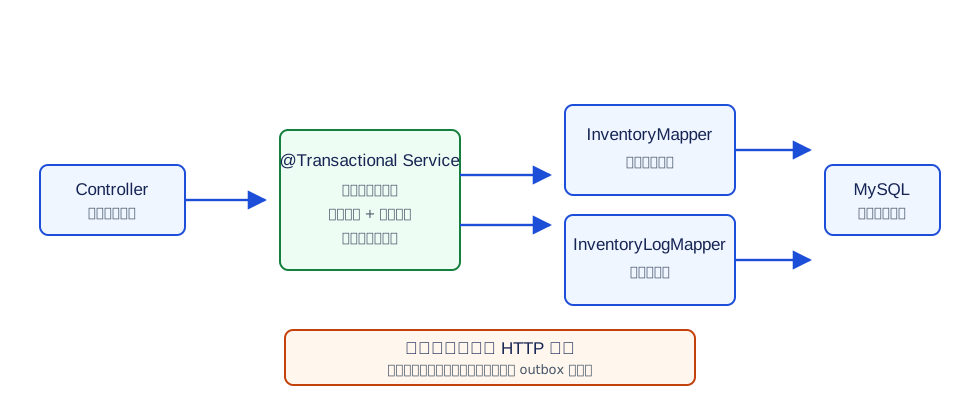
MyBatis 和 Spring 整合后,Mapper 的创建、事务管理、数据源配置都交给 Spring 容器统一管理。业务代码不需要手动创建 SqlSession,也不应该在 Service 里手动提交事务。对于供应链系统来说,这一点非常关键,因为库存扣减、订单状态流转、库存流水写入必须处在清晰的事务边界内。
整体流程
Spring 整合 MyBatis 的核心 整合后通常有三层:
Controller:接收请求,做参数校验和返回结果。
Service:编排业务流程,定义事务边界。
Mapper:执行 SQL,不写业务判断。
Spring Boot 项目里常见依赖是:
1 2 3 4 5 <dependency > <groupId > org.mybatis.spring.boot</groupId > <artifactId > mybatis-spring-boot-starter</artifactId > <version > 3.0.3</version > </dependency >
配置示例:
1
2
3
4
5
6
7
8
9
spring: datasource: url: jdbc:mysql://localhost:3306/scm?useUnicode=true&characterEncoding=utf8 username: scm_user password: your_password mybatis: mapper-locations: classpath*:mapper/**/*.xml configuration: map-underscore-to-camel-case: true
Mapper 扫描:
1
2
3
4
5
6
7
@SpringBootApplication @MapperScan("com.example.scm.**.mapper") public class ScmApplication { public static void main (String[] args) { SpringApplication.run(ScmApplication.class, args); } }
供应链例子:库存预占事务 订单创建时,需要把可用库存转成锁定库存,并写入库存流水:
1
2
3
4
5
6
7
8
9
10
11
12
13
14
15
16
17
18
19
20
21
22
23
24
25
@Service public class StockReserveService { private final InventoryMapper inventoryMapper; private final InventoryLogMapper inventoryLogMapper; public StockReserveService (InventoryMapper inventoryMapper, InventoryLogMapper inventoryLogMapper) { this .inventoryMapper = inventoryMapper; this .inventoryLogMapper = inventoryLogMapper; } @Transactional(rollbackFor = Exception.class) public void reserve (ReserveStockCommand command) { int affectedRows = inventoryMapper.reserve( command.warehouseId(), command.skuId(), command.quantity() ); if (affectedRows != 1 ) { throw new BizException ("库存不足,无法预占" ); } inventoryLogMapper.insertReserveLog(command); } }
Mapper SQL:
1 2 3 4 5 6 7 8 9 <update id ="reserve" > UPDATE scm_inventory SET available_qty = available_qty - #{quantity}, locked_qty = locked_qty + #{quantity}, updated_at = NOW() WHERE warehouse_id = #{warehouseId} AND sku_id = #{skuId} AND available_qty >= #{quantity} </update >
这条 SQL 同时完成判断和扣减,避免先查库存再更新导致并发超卖。@Transactional 保证库存表更新和库存流水写入要么同时成功,要么同时回滚。
事务边界应该放在哪里 事务应该放在 Service 层,而不是 Controller 或 Mapper 层。
原因是:
Controller 负责协议和参数,不应该持有数据库事务。
Mapper 只执行单条或少量 SQL,不知道完整业务流程。
Service 能表达业务一致性边界,例如“预占库存 + 写流水”必须同事务。
错误写法是把远程调用放在事务中:
1
2
3
4
5
6
@Transactional public void reserveAndNotify (ReserveStockCommand command) { inventoryMapper.reserve(command.warehouseId(), command.skuId(), command.quantity()); wmsClient.notifyReserve(command.orderNo()); inventoryLogMapper.insertReserveLog(command); }
远程调用慢或失败时,数据库锁会被长时间持有,容易引发锁等待。更稳妥的方式是事务内只做本地数据变更,事务提交后再发事件:
1
2
3
4
5
6
7
8
9
@Transactional(rollbackFor = Exception.class) public void reserve (ReserveStockCommand command) { int affectedRows = inventoryMapper.reserve(command.warehouseId(), command.skuId(), command.quantity()); if (affectedRows != 1 ) { throw new BizException ("库存不足,无法预占" ); } inventoryLogMapper.insertReserveLog(command); eventPublisher.publish(new StockReservedEvent (command.orderNo())); }
如果要确保事件和数据库事务一致,可以使用事务消息、outbox 表或 @TransactionalEventListener。
常见问题 第一,自调用导致事务不生效。Spring 声明式事务通常通过代理实现,同一个类内部方法直接调用可能绕过代理。
第二,异常被吞掉导致事务提交。如果捕获异常后不再抛出,Spring 可能认为方法正常结束。
第三,事务范围太大。事务里不要做 HTTP 调用、文件上传、大量循环查询。
第四,只依赖本地锁保护数据库数据。多实例部署后,本地 synchronized 只能锁住当前 JVM,不能保护数据库里的库存。
小结 MyBatis 与 Spring 整合的重点不是配置本身,而是把 SQL、Mapper、Service 事务边界组织清楚。供应链系统里最容易出问题的是库存、订单状态和流水一致性,写代码时要明确哪些操作必须同事务,哪些操作应该事务后异步处理。